When Should Kids Start Learning About Stranger Danger?
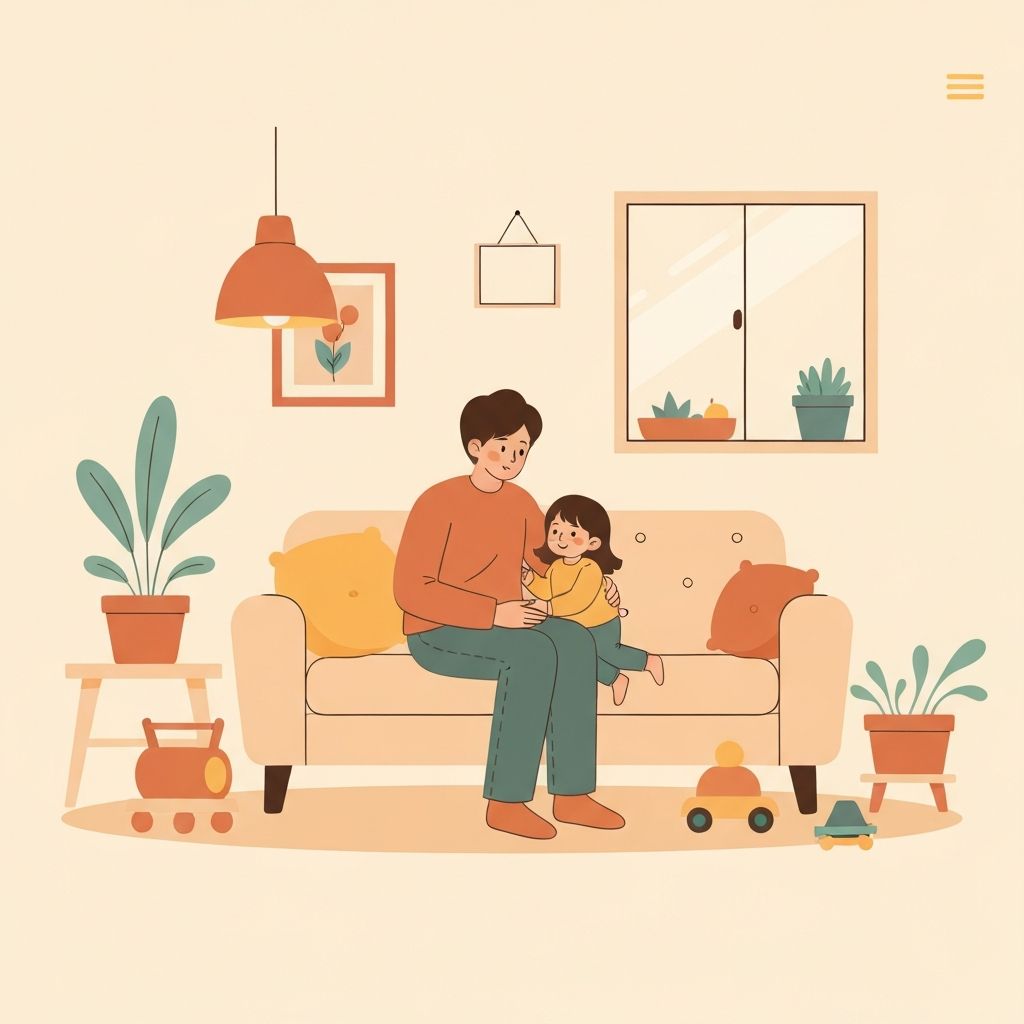
The phrase "stranger danger" has been part of child safety education for decades. But modern experts now say the old approach — "never talk to strangers" — is too simplistic and can actually be confusing for young children. After all, we talk to strangers every day: the cashier, the mail carrier, the new neighbor.
The Right Age to Start
Child development experts recommend starting body safety and boundary conversations as early as age 2-3. By age 4, most children can begin understanding the concept of "safe" versus "unsafe" people and situations. The key is to match your language and examples to your child's developmental level.
The National Center for Missing & Exploited Children recommends teaching children about "tricky people" rather than "strangers." A tricky person is anyone — known or unknown — who asks a child to break safety rules.
Replace "Stranger Danger" with "Tricky People"
Instead of teaching children to fear all strangers, focus on teaching them to recognize unsafe behavior. A "tricky person" is anyone who:
- Asks a child for help (adults should ask other adults for help).
- Offers gifts, candy, or treats without a parent's permission.
- Asks a child to keep a secret from their parents.
- Tries to get a child to go somewhere alone.
- Makes a child feel uncomfortable or scared.
Build a Safety Network
Help your child identify 3-5 trusted adults they can go to if they feel unsafe. This could include grandparents, a teacher, a neighbor, or a family friend. Use the phrase "safe grown-ups" and practice naming them together.
The Safe Grown-Up List
Create a visual list with photos of your child's safe grown-ups. Hang it on the fridge or keep it in their backpack. Review it together regularly so your child always knows who they can turn to.
Teach the "No, Go, Tell" Rule
One of the most effective frameworks for young children is the "No, Go, Tell" rule. It gives them a clear, memorable action plan:
- NO — Say "No!" in a loud, strong voice.
- GO — Run away to a safe place or a safe grown-up.
- TELL — Tell a trusted adult what happened right away.
Role-play different scenarios with your child. "What would you do if someone at the park offered you candy?" Let them practice saying "No!" loudly and running to you. Praise their responses enthusiastically.
Body Autonomy and Boundaries
Teaching your child that their body belongs to them is a foundational part of personal safety. Use proper names for body parts, teach them that no one should touch their private areas, and reinforce that they never have to hug or kiss anyone they don't want to — even relatives.
Keep the Door Open
The most important thing you can do is create an environment where your child feels safe telling you anything. Avoid overreacting to things they share, validate their feelings, and remind them regularly: "You can always tell me anything, and I will always believe you and help you." This ongoing trust is the best protection of all.
Explore the PreSafe Early-Age Safety Workbook
7 essential safety chapters, fun activities, catchy rhymes, and lifetime access to all video lessons. Everything you need to keep your little one safe.
You Might Also Enjoy
What To Do If Your Child Gets Lost in a Store
It only takes a second. One moment they're right beside you, and the next they're gone. Here's how to prepare your child — and yourself — for what to do if you get separated in a public place.
How to Teach Fire Safety to a 4-Year-Old
Fire safety doesn't have to be scary. Learn age-appropriate ways to teach your preschooler what to do in case of a fire — with games, songs, and simple rules they'll actually remember.